Mellysa: A Modern Script Font for Web Design
In the fast-paced world of digital product creation, typography is often the first element a user notices. It sets the tone, establishes trust, and guides the eye through the visual hierarchy of a page. As web designers and UI specialists, we are constantly searching for typefaces that balance aesthetic appeal with functional clarity. Mellysa emerges as a compelling option in this space, offering a modern calligraphy style that brings a distinct sense of movement and elegance to digital interfaces.
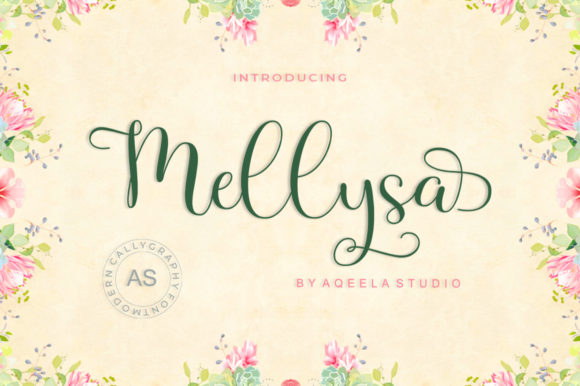
Unlike rigid geometric sans serifs or traditional serif fonts that prioritize strict structure, Mellysa belongs to the Script Amp category of Fonts. Its characters appear to dance along the baseline, creating a rhythmic flow that feels organic and human. For digital creators, this presents a unique opportunity to inject personality into otherwise sterile layouts. However, integrating a script font into web design requires a strategic approach to ensure it enhances rather than hinders the user experience.
Establishing Visual Hierarchy in Digital Layouts
The primary role of a display font like Mellysa is to command attention. In web design, visual hierarchy dictates how users scan content. We typically reserve decorative typefaces for high-impact areas where brevity is key. Mellysa excels in hero sections, landing page headers, and prominent call-to-action areas. Because its strokes are fluid and connected, it works best when used for short phrases, single words, or concise headlines.
When designing a landing page for a coaching service or a creative portfolio, using Mellysa for the main headline can immediately differentiate the brand from competitors relying on standard system fonts. The "dancing" quality of the baseline adds a dynamic energy that static fonts lack. This movement draws the eye, encouraging the user to pause and engage with the core message. However, it is crucial to maintain ample white space around these elements. Crowding a script font reduces its legibility and diminishes its elegant impact.
Brand Tone and Emotional Connection
Every font carries an emotional weight. Mellysa conveys sophistication, creativity, and a touch of whimsy. This makes it an ideal choice for brands that want to appear approachable yet premium. Consider a boutique online store selling handmade jewelry or organic skincare. Using Mellysa in banner graphics or section dividers can reinforce the artisanal, careful nature of the products. It suggests that attention to detail is paramount, mirroring the craftsmanship of the goods being sold.
For SaaS founders or tech startups, the use of script fonts is often limited, but not nonexistent. Mellysa can be effectively employed in specific contexts, such as testimonial quotes, signature blocks, or introductory messages from the founder. This humanizes the digital experience, breaking the monotony of corporate sans serif typography and fostering a deeper connection with the audience. It transforms a transactional interface into a relational one.
Readability and Responsive Design Considerations
While Mellysa is visually striking, readability remains a critical concern, particularly on mobile devices. Script fonts can become difficult to decipher at smaller sizes due to their intricate connections and varying stroke weights. As a UI designer, you must test Mellysa across various breakpoints. On desktop screens, it can serve as a dominant header element. On mobile, however, you may need to increase the font size significantly or limit its use to very short labels.
Contrast is another vital factor. Mellysa performs best against clean, solid backgrounds. Placing it over busy images or low-contrast color combinations can obscure the delicate details of the characters. If you must use it over an image, ensure there is a sufficient overlay or blur effect to separate the text from the background. Avoid using Mellysa for body copy, navigation menus, or small button text. Its complex forms are not designed for rapid scanning or extended reading sessions. Reserve it for moments where you want the user to slow down and appreciate the design.
Strategic Font Pairing for Web Interfaces
No font exists in isolation. The effectiveness of Mellysa depends heavily on its pairing with complementary typefaces. Since Mellysa is a decorative script, it requires a neutral partner to handle the heavy lifting of information delivery. A clean sans serif font is the most logical choice for body copy. The simplicity of a geometric or humanist sans serif provides a stable foundation that allows Mellysa to shine without creating visual clutter.
For a more editorial or luxurious feel, you might pair Mellysa with a high-contrast serif font. This combination works well for blog headers, magazine-style layouts, or high-end fashion e-commerce sites. The serif adds authority and tradition, while Mellysa introduces modernity and flair. When pairing, ensure there is enough contrast in weight and style. If both fonts are too similar in thickness or personality, they will compete rather than collaborate. The goal is to create a balanced typographic system where each font has a clear, distinct role.
Technical Implementation and Licensing
Before integrating Mellysa into your next project, verify the technical specifications. Check if the font package includes webfont formats such as WOFF and WOFF2, which are optimized for fast loading on websites. Slow-loading fonts can negatively impact performance metrics and user retention. Additionally, look for alternate characters or ligatures that may offer more flexibility in logo design or custom graphics. Multilingual support is also essential if you are designing for a global audience, ensuring that special characters render correctly.
Licensing is a non-negotiable aspect of professional web design. Ensure you have the appropriate commercial license for using Mellysa in client projects, online stores, and digital templates. Font licensing terms vary, and using a font without proper clearance can lead to legal issues. Whether you are building a single landing page or a comprehensive brand identity system, respecting intellectual property rights is part of maintaining professional integrity. Invest in the correct license to support the type foundry and secure your right to use the asset across all intended digital channels.
In conclusion, Mellysa is more than just a pretty typeface; it is a strategic design tool. When used with intention, it elevates brand perception, guides user attention, and adds a layer of emotional resonance to digital products. By understanding its strengths and limitations, web designers can leverage Mellysa to create memorable, conversion-focused experiences that stand out in a crowded digital landscape.