Sild: The Handwritten Font That Elevates Brand Identity
I still remember the exact moment I realized my brand wasn’t landing the way I hoped. I was standing in my kitchen, surrounded by boxes of handmade soy candles, trying to stick a label on a jar. The design looked fine on my screen, but printed out, it felt cold. It lacked the warmth and personal touch that went into mixing the wax and choosing the scents. I knew I needed a change, not in my product, but in how I presented it. That search for a more human, elegant touch led me to Sild, a beautiful handwritten font that completely shifted the visual tone of my small business.
Choosing the right typeface is often one of the most overlooked steps in building a brand identity. We spend hours on logos, color palettes, and packaging materials, yet we sometimes slap on a default system font because it is easy. But typography speaks before your customer even reads the words. It sets the mood. When I switched to Sild, the difference was immediate. It didn’t just look pretty; it felt intentional. It bridged the gap between a hobbyist craft and a polished, professional boutique.
Why Personality Matters in Your Typeface Choice
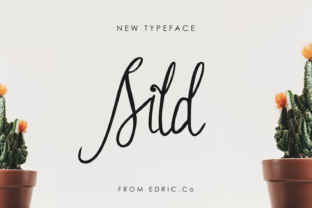
Sild belongs to the Script Amp category of Fonts, but it stands out because it avoids the overly dramatic or hard-to-read traps that many script fonts fall into. It is an elegant handwritten font that comes in both regular and italic styles. This versatility is crucial for entrepreneurs who need consistency across different mediums. The regular style offers a grounded, confident flow, while the italic adds a layer of sophistication and movement. Together, they create a visual language that feels both approachable and high-end.
For a small business owner, this matters because trust is built on consistency. When your Instagram stories, your website banner, and your physical thank-you cards all share the same typographic voice, you become memorable. Sild provides that voice. It is not shouting for attention with bold, blocky letters; instead, it invites the viewer in with a graceful, fluid rhythm. It suggests care, attention to detail, and a personal connection—qualities that customers increasingly value in an age of mass production.
Practical Applications for Everyday Business Materials
One of the first places I applied Sild was on my product labels. Previously, I used a clean sans serif font for the scent names. It was readable, but it felt clinical. Switching to Sild for the main titles transformed the jars into gift-worthy items. The handwritten style mimics the act of writing a note by hand, which subconsciously tells the customer that a real person made this. For packaging design, this emotional connection is priceless.
Beyond labels, Sild shines in several other key areas of brand communication:
- Social Media Graphics: Using Sild for quotes or promotional headers on Instagram creates a cohesive feed. It stops the scroll because it looks designed, not just typed.
- Thank-You Cards: A handwritten font on a printed card reinforces the personal nature of the transaction. It makes the customer feel valued.
- Website Banners: As a display font, Sild works beautifully for hero sections on websites, especially for businesses in the beauty, wellness, or creative sectors.
- Menus and Flyers: If you run a café or a boutique, using Sild for item names or special announcements adds a touch of editorial design flair without sacrificing clarity.
Readability and Smart Font Pairing
A common concern when adopting a script font or handwritten font is readability. Will people be able to read it on a small mobile screen? With Sild, the answer is yes, provided you use it wisely. This premium font is best suited for headlines, short phrases, logos, and packaging titles. It is not designed for long paragraphs of body text. Think of it as the jewelry of your design—it accentuates and highlights, rather than carrying the entire load.
To ensure your designs remain clear and professional, pair Sild with a complementary typeface. A clean sans serif font works exceptionally well as a supporting actor. The contrast between the organic, flowing lines of Sild and the structured, geometric lines of a modern sans serif creates visual balance. For a more traditional or luxurious feel, you might pair it with an elegant serif font. This combination is popular in editorial design and high-end branding because it merges tradition with modernity.
When using Sild on small labels or social media thumbnails, keep the text short. Use it for the product name or a single impactful word. Let the white space around the letters breathe. This prevents the design from feeling cluttered and ensures that the elegance of the letterforms remains visible even at smaller sizes.
Making the Switch: Licensing and Technical Details
Before integrating any new creative font into your commercial projects, it is essential to check the technical details. Sild comes with specific file formats and styles that you should review to ensure they meet your needs. Check if the package includes alternates or ligatures, which can add unique flair to your logo design or custom graphics. Also, verify the multilingual support if you plan to sell internationally.
Most importantly, always review the commercial font licensing. Whether you are using Sild for digital ads, printed merchandise, client work, or digital downloads, you need to ensure your license covers these uses. Investing in a properly licensed font protects your business and supports the designers who create these valuable design assets. It is a small step that ensures your brand foundation is solid and legally sound.
Updating your brand visuals does not require a complete overhaul of your business model. Sometimes, it is as simple as changing the font you use on your packaging. Sild offers a way to inject warmth, elegance, and professionalism into your daily operations. It turns ordinary text into a brand statement. For entrepreneurs looking to refine their image and connect more deeply with their audience, this typeface is a powerful tool. It reminds us that in business, how you say something is often just as important as what you say.